
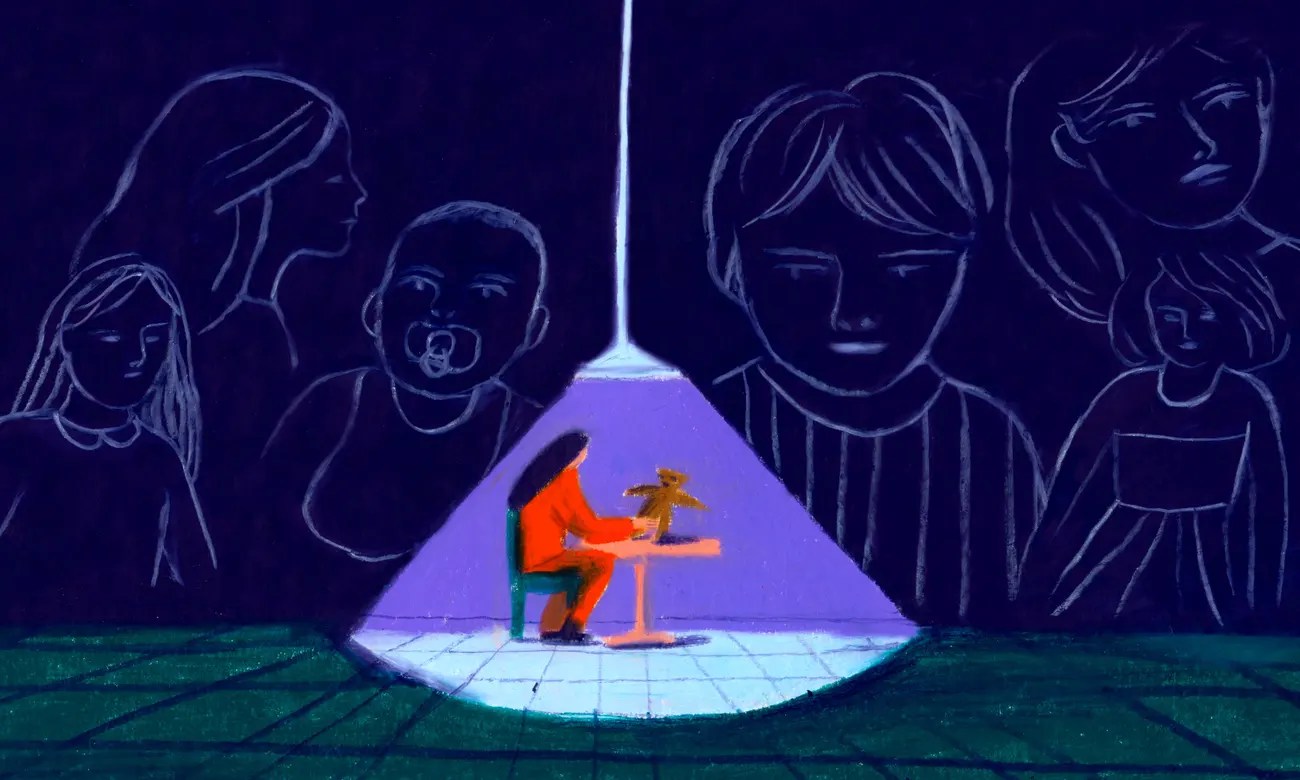
As we grow older, I believe many of us undergo an emotional tug-of-war with our caregivers, friends, relatives, and other adults in our lives. It takes a significant amount of effort to get others to see you as an adult and to take you and your emotions seriously. I feel this is mostly true for South Asian people as that is the nature of our culture.
Growing out of Subservience
Growing up and learning to hold our boundaries and maintain our value identity is a challenge as brown people, especially when all our lives we have been taught that subservience and taking disrespect silently make us “good.”
This sort of subservience is a relinquishment of our personal power for the sake of someone else completely controlling the narrative surrounding our identity. As we grow up, it is often natural that we start to become an INDIVIDUAL with our own beliefs, values, thoughts, and feelings. When we start to reclaim our “power” from another’s hands, this is most likely bound to make the previous bearers of that power very, very unhappy, because they are experiencing a radical loss of control over you.
And guess what? That’s okay. If they’re “extra,” expect smear campaigns and character assassination. It’s the final battle to regain control of you. At the end of the day, what YOU think of yourself is what matters most.
This “power” is none other than autonomy over yourself and your identity. It’s the rejection of the disrespect – learning to say things like “no, that was uncalled for, that hurt my feelings, that was not fair to me, that is not me, I do not like that, I wish to be spoken to kindly,” for instance. The amount of guilt and shame that arise when you voice your concerns is a whole other challenge to deal with, and yet, it’s necessary for our growth. Additionally, we have to accept that what we feel matters more than what others believe we should feel (if not, this is another way we betray ourselves).
I wish this process/power struggle could be all sunshine and rainbows, but the reality is that both sides are bound to be triggered and reactive to their inner traumas. There needs to be so much self-control there, which we cannot be expected to exhibit because of the fact that we are HUMAN: imperfect, learning, and still trying.

Loving Yourself
For so long, we have been held to sky-high standards of perfection, and to be honest, those standards only benefit others. People in your life may say “No one is perfect,” and yet perfection is expected of you. From my observations, in our part of the world, children are expected to think and act like an adult from a young age – failing which, they are severely reprimanded and/or punished. We subdue ourselves to appear “perfect” for the sake of making others around us comfortable.
Very often we learn to forget ourselves and our experiences because someone else is made uncomfortable by your negative experiences or reactions to their treatment of you. As we grow, we may struggle with the idea of being repressed from the reality of what we truly feel when they treat us a certain way. We begin to set new expectations for others’ treatment of us and these are most likely things we are learning only well into our adulthood and are doing so while on the journey of self-love and self-reclamation.
When you begin to learn how to love yourself, you begin to give yourself the things you did not properly receive before, such as respect. You also begin to forgive yourself for all the times you rejected and denounced someone else’s treatment of you by lashing out. While you accept that there were better ways to voice your criticisms, you understand that in part it was the unhealed version of you being triggered – and that unhealed part is most likely the deeply-etched inner belief that “You are not enough.” At the same time, it was probably your inner self crying out against the unfair treatment of you. And/or simply, you were tired of being patient.
The idea that “you are not enough” is at the crux of a lot of our inner pains, and the sad reality is a lot of us do not even realise that we have this belief and that a lot of our actions and reactions are due to this. This belief drives so much of negative patterns, and it is made worse when we are unconscious of this deep, inner wounding. This belief is something we have learned during our formative years when our needs were not exactly met the way they needed to be. You can’t directly blame people for this most of the time, because such a deep understanding of the human psyche was not really something common in the past. I believe that life happened on autopilot over thousands of generations, and this explains why generational trauma kept continuing. It takes someone who has “awoken” from their autopilot mode, questions the status quo, and takes positive action, to break the cycle.
The process of learning that “I am enough” is bound to be messy. There’s no real guideline to life and to growth… We can’t expect everyone to understand that journey, as it is deeply personal.
Identity in a Spiritual Sense
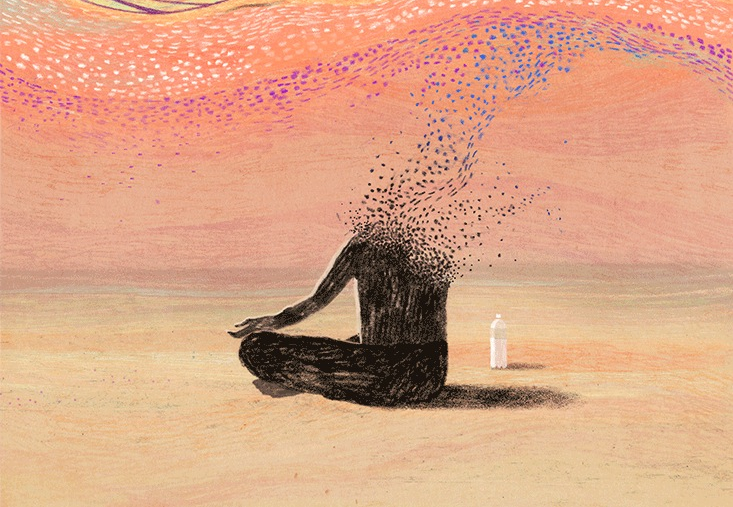
If you are into spirituality, you would know that one of the ultimate goals is to come into complete being and awareness of being, as opposed to “becoming,” and one of the ways we could do that is by deconstructing our identities that have been built from a “worldly” place. In my opinion, although identity in itself is a construct, it is first important to understand who you are and what triggers you before unravelling the illusion of “you”. If you do not know what you are fighting, how can you fight?
When you practice becoming aware of yourself, why you operate and react the way that you do, gaining confidence in your decisions, and becoming internally steady, it makes it easier to go on that spiritual journey to understand non-self. Otherwise, you will be so set off by happenings in your daily life that you keep getting swept away by the flow of life. You won’t have the time, mental energy, stamina, or moments of stillness to truly come into full awareness and consciousness of being. This is of course my viewpoint at this particular point in my journey.
Cover image: Beya Rebai

 The Curious Mag