
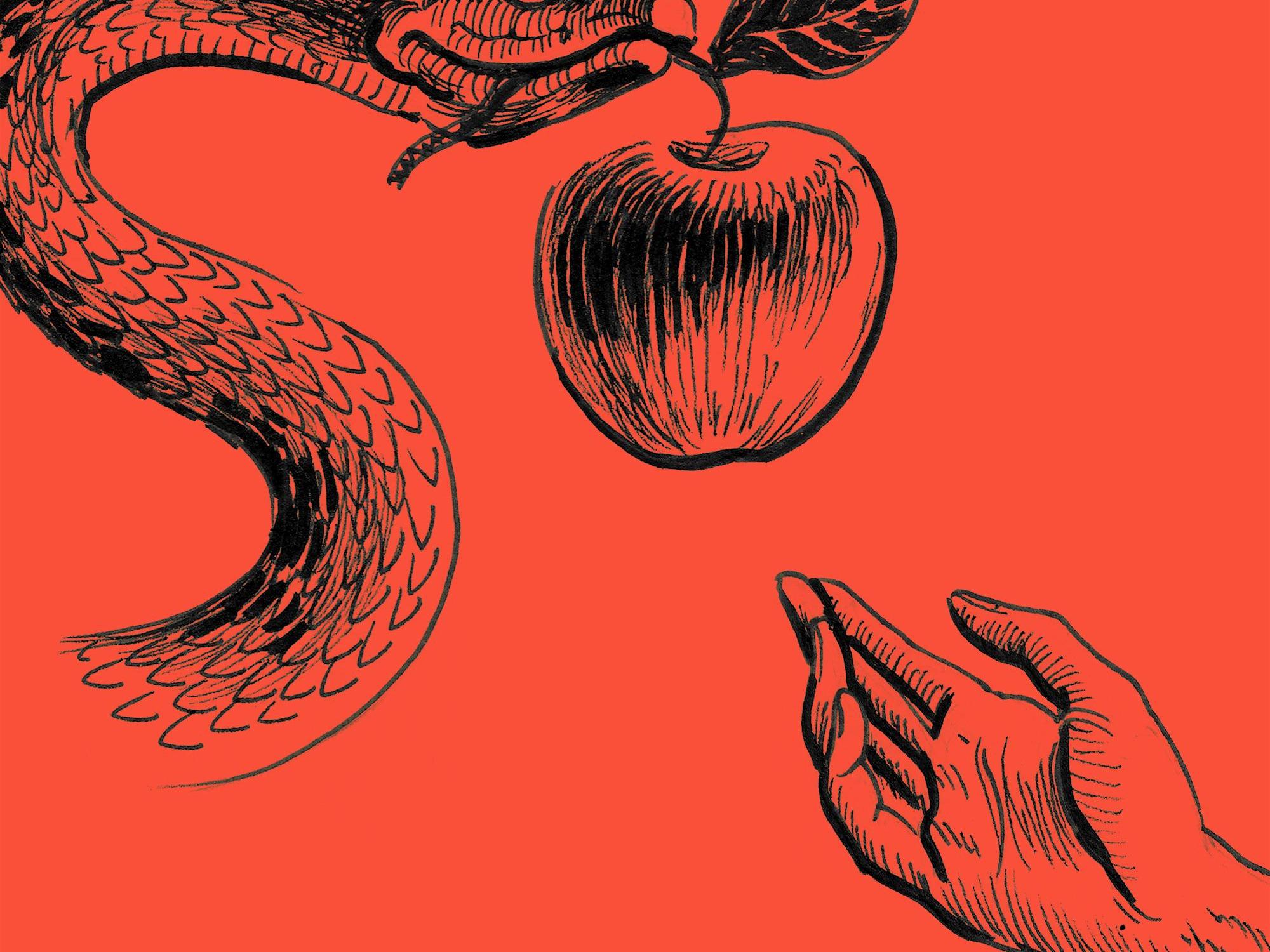
The concept of the seven deadly sins has appeared in pop culture time and time again. So, what exactly are they, and where did they originate from?
What is it?
Also known as capital vices or cardinal sins, it is generally thought of by many as something of biblical nature. However, this is not accurate. In religious terms, sin is something immoral that one can do that is a transgression of divine law. If you have broken God’s law, then you are bound to go to hell after death (or at least purgatory).
However, the seven deadly sins are not exactly commandments from heaven. Rather, they are a list of negative character traits or bad habits that one needs to avoid because they could lead to further “sinning”.
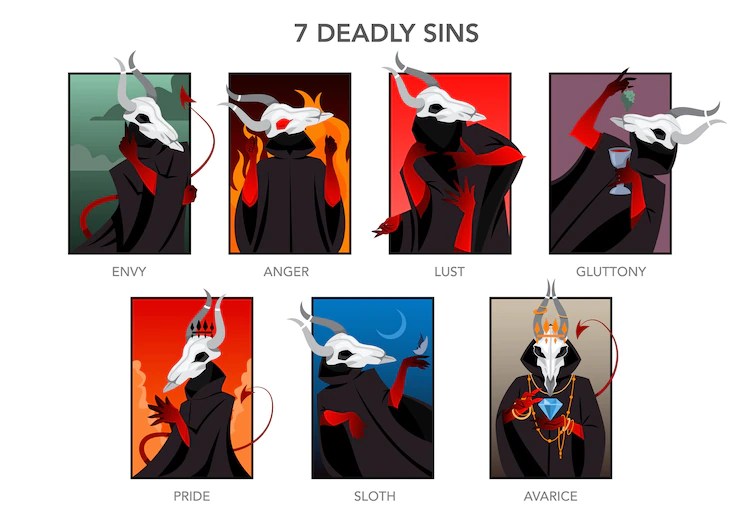
What are the 7 deadly sins?
- Lust (luxuria) – this means an intense longing mostly of sexual nature, leading to acts like adultery, but could also mean an unbridled desire for material things like money
- Gluttony (gula) – this is the overconsumption of anything to the point of waste (eating too much food will leave the needy hungry)
- Greed (avaritia) – this is the desire and pursuit of material possessions
- Sloth (acedia) – this could have initially meant a feeling of sluggishness and apathy when it comes to spiritual practice, especially for priests but now is considered as the failure to do things one needs to do. Sloth tends to subvert the livelihood of the body and slows down the mind, becoming a source of human undoing
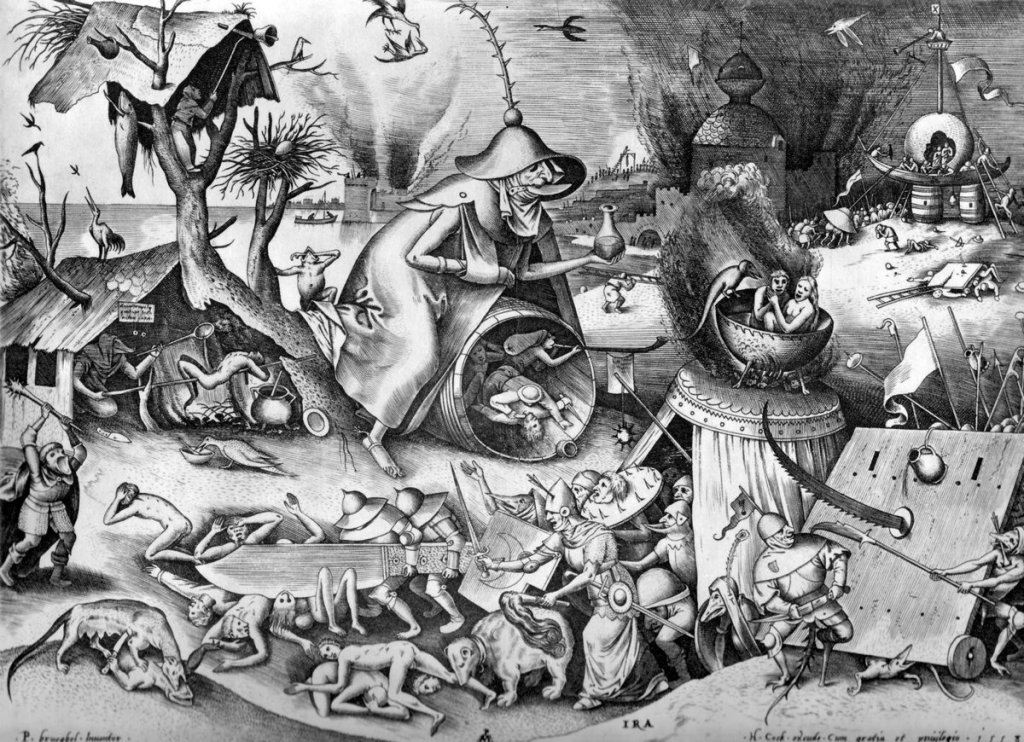
- Wrath (ira) – this is the uncontrolled feelings of anger, rage, and hatred, a lot of the times with the wish to seek revenge.
- Envy (invidia) – this is an insatiable, resentful covetousness towards someone else’s traits or possessions. According to the most widely accepted views, only pride weighs down the soul more than envy among the capital sins
- Pride (superbia) – also known as “hubris”, is considered the worst deadly sin, and the most demonic. This is a dangerously corrupt selfishness where one will put one’s own desires before the welfare of others. This is also seen as the “anti-god” state, meaning that this is the opposite of what the Abrahamic God stands for.
Origins
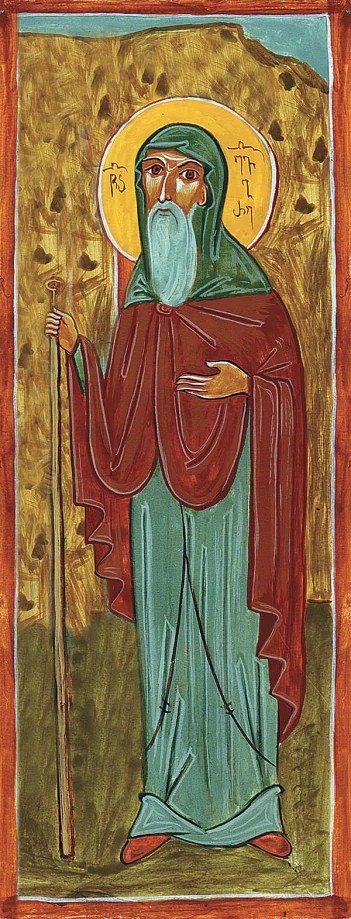
These sins do not directly appear in the Old Testament or the New Testament. Actually, there was a hermit monk named Evagrius of Pontus who lived from 345-399 CE and lived a harsh life in the desert. He compiled a list of 8 “evil thoughts” or “vulnerabilities of the human soul” that we humans are prone to by nature. In his list, there was Gluttony (in terms of a deviation from fasting), Lust, Greed, Anger, Sloth, Pride, Vainglory (boasting), and Sadness (in terms of nostalgia for what was/could have been instead of living in the present).
This list was passed down by his students until it reached the hands of Pope Gregory I two centuries later. He combined sadness with sloth, and vainglory with pride, and added envy to the list. This is how the 7 deadly sins we know today were born.
Dante’s Inferno
This is the first section of poetry called “The Divine Comedy” written by Dante Alighieri between 1265-1321 AD, and it was responsible for putting the seven deadly sins on a cultural map. If you have heard of the “Seven rings of hell”, this is where it’s from! Some of the sins on our list appear as a few of the rings, namely Lust, Gluttony, Greed, and Wrath.
However, the seven deadly sins are much more heavily featured in the second part of the Divine Comedy “Purgatario”.
Did you know?
The seven deadly sins actually have 7 virtuous counterparts. It is believed that instilling these habits leads to good deeds and steering away from the bad, leading one to heaven. These seven combine the four cardinal virtues and the three theological virtues: prudence, justice, temperance, fortitude, faith, hope, and charity.

Written by Nethmie Dehigama
This article appeared in Happinez Magazine of the Morning Newspaper in Sri Lanka in 2022.
Header Image: Investment owl

 The Curious Mag