
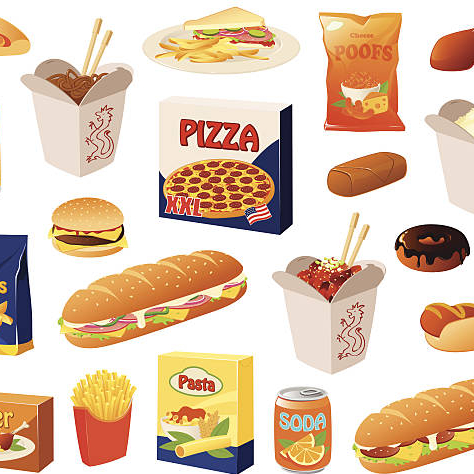
I don’t know about you, but I’ve heard so many people talking about “processed foods”, and that it is bad for your health. And for the longest time, I just accepted it without really understanding what it meant – specifically what kind of food was considered “processed”, apart from your favourite fast-food options, of course!
As I’m growing older into my late twenties, I think it’s important that I take more care when it comes to food. Health is wealth, after all. So, I thought I would do a quick research on processed foods. Is it really all bad? What does it entail? And what are some better options?
What does “processed foods” mean?
These are any raw agricultural commodities that have been washed, cleaned, milled, cut, chopped, heated, pasteurized, blanched, cooked, canned, frozen, dried, dehydrated, mixed or packaged — in other words, when a natural food item has been changed in some way. This may also include adding preservatives, flavours, nutrients and other food additives, or substances approved for use in food products, such as salt, sugars and fats.
I mean… that is literally any food item that has not been picked from a tree or plant! Surely not every processed food item is bad… and well, you are right. They are not. Minimally processed foods have a place in healthy food diets, there is no question about that.
There are types of processed foods
Unprocessed or minimally processed – this includes things like fruit, vegetables, herbs, and nuts that could be fresh, dried, refrigerated, chopped, vacuum-packed, fermented, filtered, and frozen.
Processed culinary ingredients: this group consists of items like butter, oils, sugar, and salts. These ingredients come from nature but have been slightly changed (please note that some of the aforementioned items may have varieties that are more processed). These items are not meant to be eaten alone – rather, they are to be added to other main ingredients in a meal.
Processed foods: This includes items like canned tuna, bottled vegetables, cheese, fresh bread, canned fruits, or other options that were made with added salt, sugar, oil, or other things found in the previous grouping. Most of these foods have 2-3 ingredients. They can be eaten by themselves or added to other dishes.
Ultra-processed food and drink: this includes food items that have been highly altered and are the result of an intensive manufacturing process. They’re created from foods and additives that do not relate much to group one food. These will include items like salt, sugar, and oil, but also, things like casein, gluten, lactose, maltodextrin, high-fructose corn syrup, and hydrogenated oils. These food items also tend to have additives like dye, flavours, preservatives, artificial sweeteners, or other ingredients that can change the taste and appearance of food. Generally, foods within this group can be eaten or drunk right away; think soft drinks, pre-prepped frozen meals, and packaged snacks. More than 50% of our daily calorie intake can from this group.

What kind of effect do processed foods have on health?
It is widely known that highly processed food items can pose risks to health.
- Because these foods can be addictive, we tend to eat more of them than expected a lot of the time. Sometimes, you may be unaware of just how much of an ingredient like sugar and salt an item might have. Also, comparatively, the number of calories can be much higher when compared to minimally processed foods – a bar of chocolate would have a similar number of calories to 5 cups of blueberries (and 5 cups would definitely make you feel fuller and provide more nutrition than 1 bar of chocolate).
- Ultra-processed foods can lead to an increased risk of cancer! There have been a few studies noting a link between the two… and one likely reason for this could be the high number of additives.
- Some processed foods do not hold the nutrition that your body needs. Most of the time, this is because of the many processing stages that food can go through. Adding back these nutrients artificially may not suffice or match up to the nutrients you can receive from little to no processing.
- Processed foods are easier to digest for our bodies, and therefore we burn less energy in doing so. My guess is that this could be leaving us feeling hungry but also loading up on unnecessary calories.
So, should you avoid processed foods?
I do not think it is really possible to avoid processed foods altogether. And let‘s be honest, food makes us happy. A pizza once in a while will not really hurt. However, what we can focus on is the quantity and frequency of eating highly processed meals and snacks. You do not want to be eating them every day in large quantities.
At the same time, try to follow a lifestyle where you eat nutrient-dense foods that are “whole” aka not (or minimally) processed. Studies have shown that people who follow this type of eating live longer and have a lower risk of developing chronic health conditions.
Look at labels before you buy anything and try to understand its nutritional value. Be more cognizant of what you are ingesting. It is the least you can do for your long-term health!
Written by Nethmie Dehigama
This article appeared in the Happinez Magazine in October 2022.
Header Image: The Turtle Factory (iStock)

 The Curious Mag