
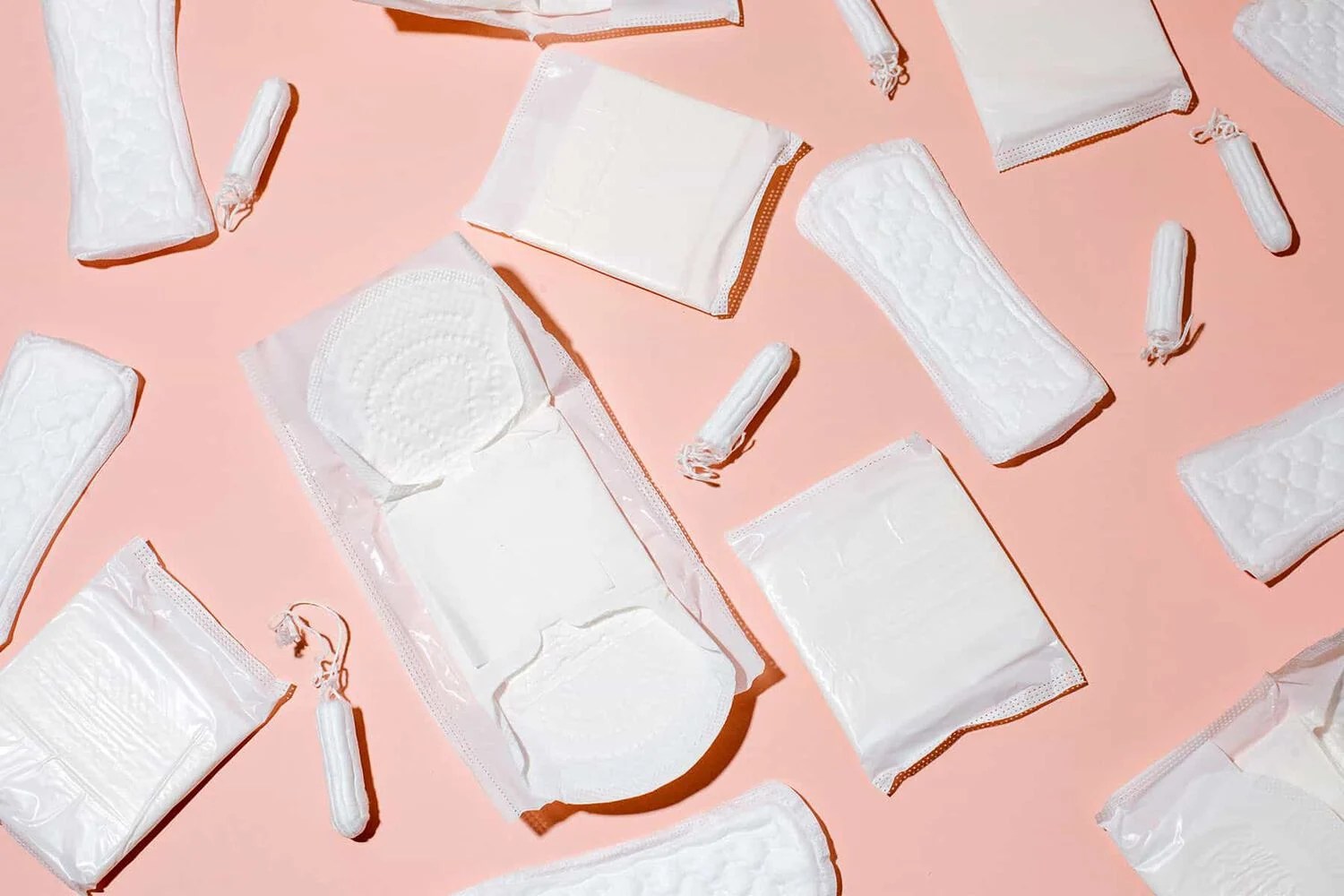
Last week, I wrote about the ongoing situation related to period poverty in Sri Lanka, with many girls not going to school during their periods because they cannot afford to buy sanitary napkins, the most commonly used hygiene product. This is because the prices of pads have increased due to the ongoing economic and forex crisis in the country. In this article, you will find alternative menstrual hygiene products that could help women with their menstrual hygiene management, allowing them to participate in daily activities, and especially, allowing girls to go to school regularly.
What is menstrual hygiene management?
According to the WHO/UNICEF Joint Monitoring Programme 2012, menstrual hygiene management is defined as:
“Women and adolescent girls are using a clean menstrual management material to absorb or collect menstrual blood, that can be changed in privacy as often as necessary, using soap and water for washing the body as required, and having access to safe and convenient facilities to dispose of used menstrual management materials. They understand the basic facts linked to the menstrual cycle and how to manage it with dignity and without discomfort or fear.”
Sanitary napkins
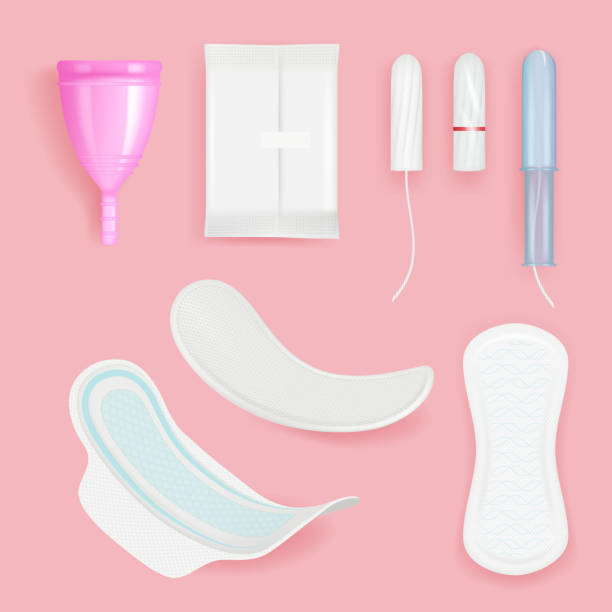
These have been around commercially for over a hundred years, and are probably the most commonly used menstrual hygiene product in the world. The nature of these “pads” are that they can only be used once and need to be disposed of. Hence, the lifetime cost of a packet or two used each month adds up… and with the ongoing economic crisis, it is no surprise that families are struggling to afford these. At the same time, because of the wastage being piled up, it is not really environmentally friendly.
Tampons
These are a product that needs to be inserted into the vaginal canal. While this can be useful to many girls and women, it can also rack up a significant lifetime cost, especially considering it is only safe to wear one for up to 4 hours only, after which one can run the risk of experiencing toxic shock syndrome. For schoolgirls, it might be difficult to dispose of one in school easily every 4 hours.
Reusable/Cloth sanitary napkin
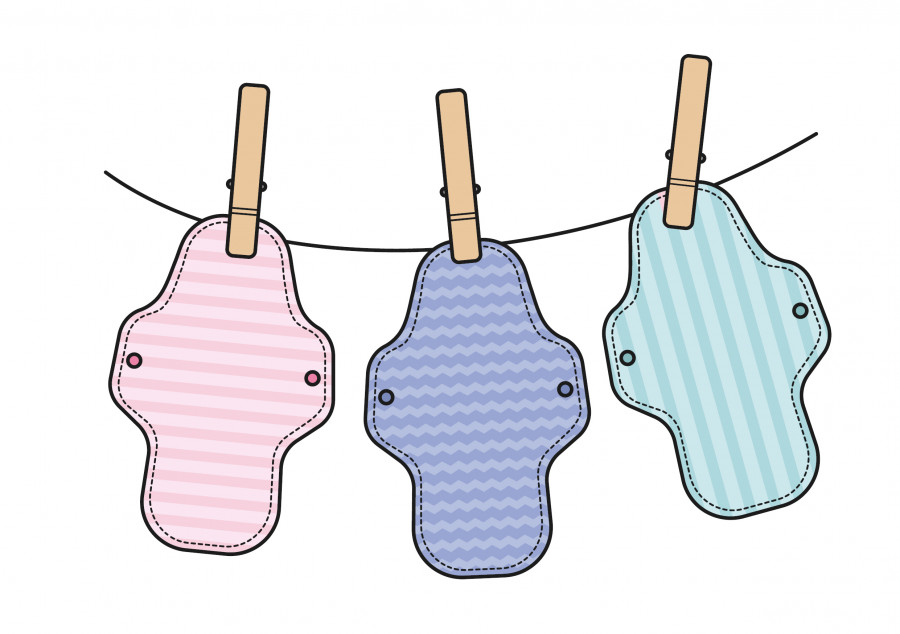
These are similar to pads; however, they are made of cloth and are made to be washed and reused. One can have a couple of these and cycle between them during one period. These can be used for up to 2-5 years, which means the cost of using it significantly low, and there is also not a big impact on the environment. The downside to this would be that is important to find cloth pads that are made of good materials so that they won’t easily chafe the skin, and it needs to be washed properly so as to avoid the bacterial buildup that could easily lead to infections. Nevertheless, this could be a good cost-effective solution for many who cannot afford to buy pads monthly.
Period Cup
Made of silicone or latex, these “cups” are folded and inserted into the vaginal canal to “catch” the menses. They are supposed to be comfortable and can be worn for up to 12 hours depending on the flow. Menstrual cups are of course highly environmentally friendly. Note: these need to be sterilized (boiled in water) after the period ends.
Period Underwear

These underwear are made of special absorbent material that prevents leakage onto clothing. If you remember last week’s article, I mentioned that 23%-40% of girls would miss one or two days of school due to being fearful of staining their uniforms. Considering this statistic, this is a great option for girls to avoid any mishaps! It is a great option for every woman out there, as I’m sure each one of us has worried about this at some point. The only downside is period underwear may be harder to come by as these are relatively new to the market. At the same time, purchasing costs are most likely to be high – although these are reusable, which could make it a cost-efficient purchase in the long run.
What alternative period product are you planning to try after this? And in your capacity, how do you think you can help the girls out there whose parents cannot afford sanitary products at the moment?
Written by Nethmie Dehigama
This article appeared in the Happinez Magazine of the Morning Newspaper in October 2022 in Sri Lanka.
Image credits: IPPF.org, ilosyakitaewa, sinplastico, The Vegan Review

 The Curious Mag